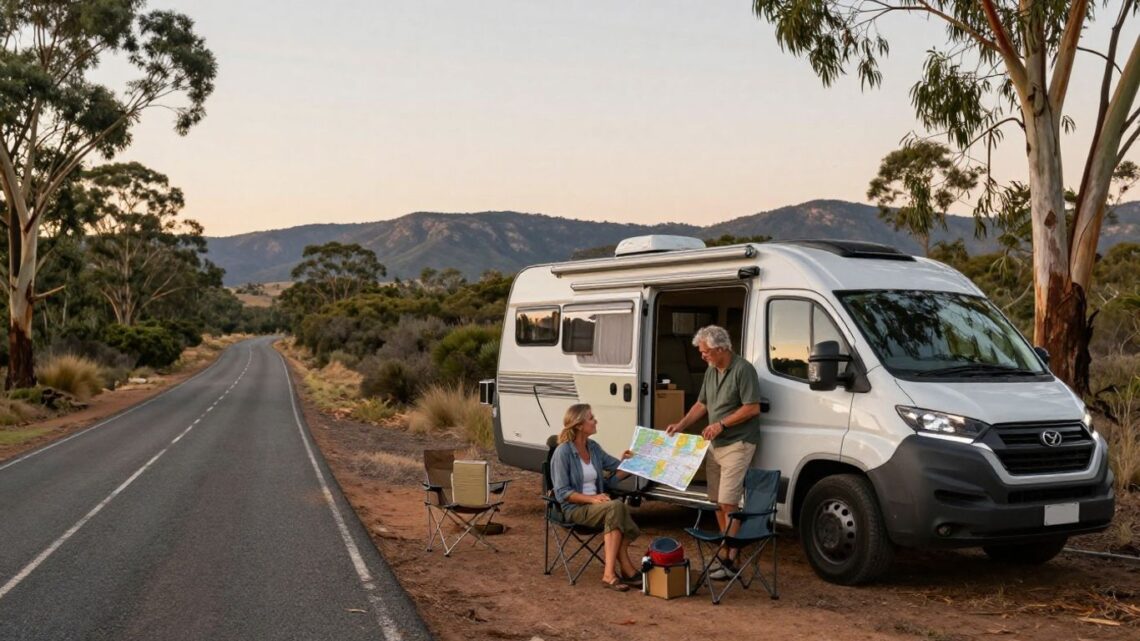
Grey nomad circuit guide: How to plan a safe, flexible Australian road trip
Key Takeaways
A successful grey nomad trip is less about covering every kilometer and more about leaving room for weather, rest, and unexpected discoveries.
- Choose a route that suits the season, vehicle, budget, and preferred pace.
- Allow extra time for rest days, repairs, weather delays, and longer stays.
- Check road conditions, campsite access, fuel availability, and booking rules before traveling.
- Keep safety plans, communication equipment, emergency money, and essential supplies up to date.
- Support regional communities while reducing waste, fuel use, and pressure on popular places.
Understanding the grey nomad circuit
A grey nomad circuit is a long Australian road journey that links several regions rather than following one straight route. Some travelers make a complete lap of the country, while others create smaller seasonal loops between coastal towns, inland areas, and favorite camping spots. The best grey nomad circuit guide is not a rigid route map; it helps travelers make sensible choices while keeping the journey enjoyable.
What defines a grey nomad circuit
The circuit usually combines independent travel, longer stays, and a willingness to adjust plans. A couple may leave home with a broad direction in mind, then spend extra time in a town that has good walking trails, friendly local businesses, or a comfortable campsite. The journey can last weeks, months, or several separate trips over the years.
Unlike a short holiday, a circuit needs to work as a temporary everyday life. Groceries, laundry, vehicle maintenance, mail, appointments, and communication all become part of the travel rhythm. Travelers who plan for these ordinary tasks generally find the route easier to manage than those who focus only on major attractions.
Popular routes across Australia
Australia offers many possible loops. Travelers might follow the east coast between Queensland, New South Wales, Victoria, and Tasmania, travel north during the cooler months, or move through South Australia and Western Australia at a slower pace. Inland routes can add different landscapes and smaller communities, although distances between services may be greater.
A route is best judged by its fit rather than its popularity. A coastal loop may provide frequent facilities and plenty of places to stop, while an inland journey may offer quieter roads and broad landscapes. Travelers should check current road information before choosing remote sections, particularly after flooding, fire, or severe weather.
Choosing between coastal, inland, and regional travel
Coastal travel often appeals to people who want beaches, established caravan parks, and regular access to shops and medical services. It can also be busier and more expensive during school holidays. Inland travel may feel more spacious, but it requires closer attention to fuel, water, phone coverage, and road surfaces.
Regional travel sits between the two. A couple can base themselves near a country town, explore nearby attractions, and support local businesses without moving every day. This style often makes the journey feel less rushed and gives travelers more time to learn how a place actually works.
How long to allow for the journey
There is no standard duration for a circuit. A short trip may cover one state or a particular region, while a longer journey may unfold over several seasons. Rather than counting destinations, travelers should estimate how often they want to move, how many rest days they need, and how long they would like to stay in places that suit them.
A slower pace also leaves room for weather delays, mechanical work, family visits, and changes of heart. A route that looks manageable on a map can feel tiring when towing, setting up camp, and packing away are repeated frequently. Building time into the journey is one of the simplest ways to protect the pleasure of travel.
Planning your route and travel schedule
Route planning works best when it starts with the travelers’ preferred pace, not a list of every possible attraction. A broad plan can identify the next region, likely stopping points, and seasonal direction without deciding every night months in advance. A flexible itinerary gives a couple practical choices when conditions change.
Setting realistic daily driving distances
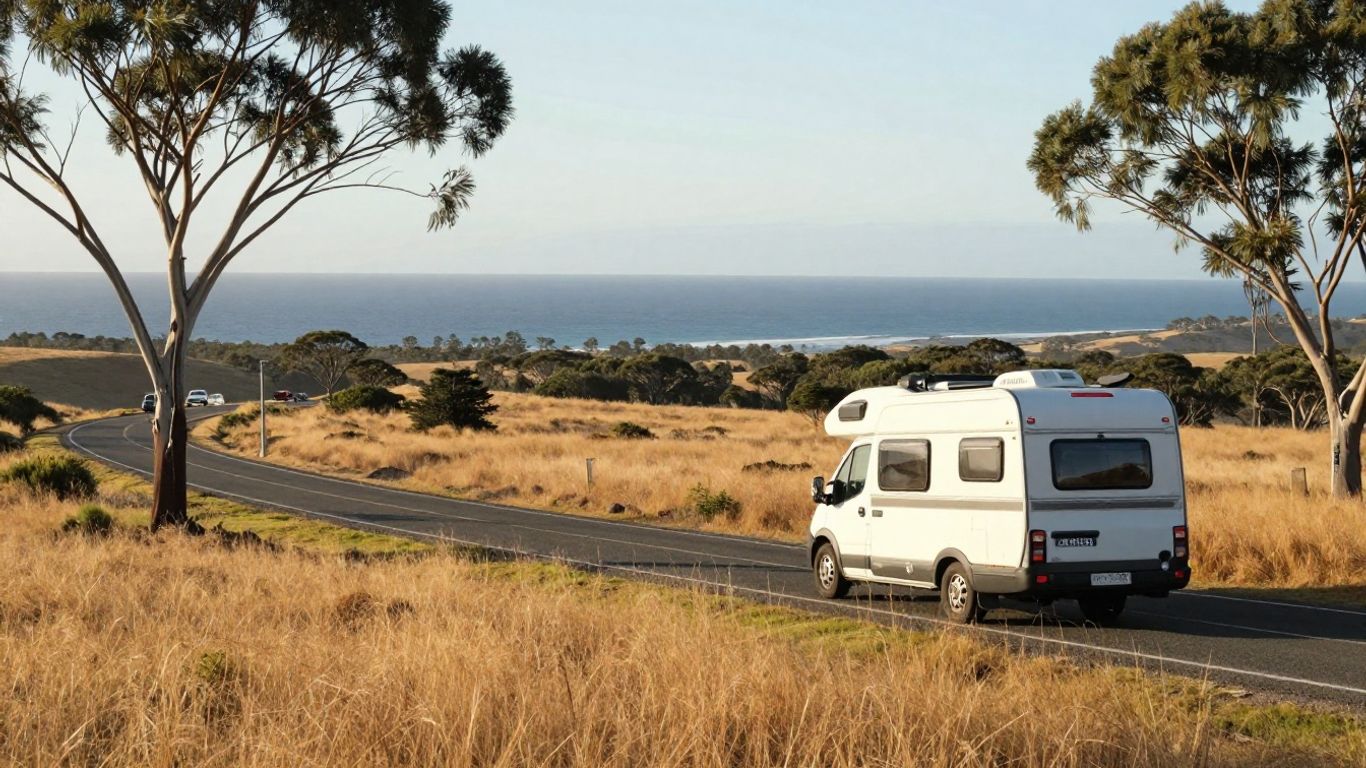
Daily driving should account for towing, road quality, breaks, fuel stops, and the effort of setting up at the other end. A short distance can still be demanding on winding roads, while a longer highway section may be easier but tiring if repeated several days in a row. Travelers should plan arrival while there is still daylight, especially when visiting an unfamiliar campsite.
It helps to treat driving days and exploration days differently. On a travel day, the goal may simply be to reach a suitable stop safely. On an exploration day, the vehicle can remain parked while the couple walks, visits local attractions, or handles practical errands.
Balancing major attractions with quiet stops
Well-known sights can give a route shape, but they should not fill every available day. Quiet stops often provide time to rest, wash clothes, shop for supplies, or enjoy a walk without a timetable. They can also make busy attractions more enjoyable because the couple arrives rested rather than already worn down.
A useful pattern is to alternate a planned highlight with a less demanding stay. After a national park, long drive, or crowded festival, a small town or peaceful campsite can restore energy. Travelers may also discover that a local market, museum, lookout, or bakery becomes one of the most memorable parts of the trip.
Building flexibility into the itinerary
A route should include alternatives for bad weather, campsite changes, vehicle problems, and personal fatigue. Keeping a few possible stops in each region is more useful than booking every night. It also means travelers can stay longer when a place feels right instead of leaving simply because the original schedule says so.
Before departure, the couple can identify the decisions that need advance planning and the ones that can remain open. Popular holiday periods, vehicle servicing, ferries, and limited-access parks may require earlier arrangements. Ordinary overnight stops usually allow more freedom.
Using seasonal weather patterns to guide your route
Australia’s size means that weather can be comfortable in one region and difficult in another at the same time. Travelers often plan around heat, wet-season conditions, cold nights, strong winds, and the likelihood of road closures. Seasonal planning is not a guarantee of good weather, but it can reduce exposure to predictable extremes.
The route should be checked shortly before each major move. Forecasts, local warnings, park notices, and road updates can change the safest choice. If conditions are uncertain, staying put for another night is often easier than trying to recover from a rushed decision.
Choosing a suitable vehicle and travel setup
The vehicle should match the couple’s route, comfort expectations, driving confidence, and likely campsites. A large setup can provide space and storage, but it may limit access to narrow roads or smaller sites. A compact arrangement can be easier to handle while offering fewer indoor comforts.
Comparing caravans, motorhomes, and camper trailers
A caravan gives travelers a separate tow vehicle that can be used for local errands once the van is parked. A motorhome combines the driving and living areas, which may simplify setup but means the whole accommodation moves whenever the couple goes out. A camper trailer can be lighter and easier to store, although it may involve more outdoor setup and less weather protection.
The right choice depends on how the couple expects to travel. People who stay several nights in one place may value a tow vehicle, while those who move frequently may prefer a compact arrangement. Before committing, travelers should spend time inside the setup, test the storage, and consider how it feels to use during rain or strong heat.
Matching vehicle size to your preferred campsites
Large vehicles can be comfortable on major roads and established parks, but campsite length, turning space, low branches, and narrow access roads can restrict choices. Smaller sites, national park areas, and basic campgrounds may suit a more compact vehicle. Travelers should check dimensions rather than relying on a general description such as “caravan friendly.”
It is also worth considering the vehicle’s height and width when approaching fuel stations, town streets, bridges, and older caravan parks. A short walk-through of the intended route on a current map can reveal where a large setup may be inconvenient.
Checking towing capacity and payload limits
Towing capacity and payload are separate matters. The vehicle must be able to tow the loaded trailer, while the combined setup must also stay within the relevant weight limits. Water, gas bottles, food, tools, spare parts, bicycles, and personal belongings can add up quickly.
The couple should read the vehicle and trailer specifications and obtain qualified guidance if the figures are unclear. Weight should be checked with the setup loaded as it will travel, rather than relying on an empty showroom figure. Staying within limits supports handling, braking, tire performance, and legal compliance.
Preparing essential equipment for extended travel
Longer trips need more than bedding and cooking supplies. Equipment should be chosen for reliability and ease of use, with a plan for storing heavy items securely. Travelers should also practice setting up, connecting utilities, checking tires, and packing before leaving home.
A practical preparation list can include:
- Drinking water containers and a way to manage water use.
- Basic tools, spare fuses, tire equipment, and suitable recovery supplies.
- Food-storage items that help keep the living area tidy.
- Weather-appropriate clothing, sun protection, and sturdy footwear.
These items are useful only when they are accessible and maintained. A tool buried beneath every other possession is not much help during a roadside problem, so storage should be arranged around the jobs travelers may need to perform.
Budgeting for a long-term road trip
A long road trip has both predictable and irregular costs. Fuel, groceries, accommodation, vehicle registration, insurance, repairs, attractions, and communications all need consideration. A written budget can show where the couple has flexibility and where a delay or repair could create pressure.
Estimating fuel and campground expenses
Fuel is affected by vehicle size, towing weight, road conditions, distance, and driving style. Travelers can estimate a route’s fuel needs from their own vehicle records, then allow for detours and changing fuel prices. Remote stretches may require buying fuel when it is available rather than waiting for a preferred price.
Campsite costs vary by location, facilities, season, and length of stay. A mixed plan of paid parks, national park sites, and permitted low-cost areas can make the budget more manageable. Travelers should confirm fees and conditions directly with the relevant park or campground before arriving.
Planning for groceries, attractions, and repairs
Groceries can cost more in remote places, while attractions and tours may be occasional but significant expenses. A couple can reduce surprises by planning a broad meal routine, restocking in larger towns, and setting aside a separate amount for activities. That approach still leaves room for an unplanned local experience.
Repairs deserve their own allowance. Tires, batteries, plumbing, awnings, appliances, and towing equipment can all need attention during a long journey. Regular checks may identify small problems before they become more disruptive, although maintenance decisions should be made with suitably qualified help when needed.
Finding free and low-cost camping options
Low-cost camping can reduce expenses, but it is not automatically suitable or permitted. Travelers need to confirm whether overnight stays are allowed, how long they may remain, and what facilities are available. A free site without water, toilets, shade, or reliable access may not be a practical choice for every night.
A sensible budget compares the total value of each option. A paid campsite may include showers, laundry, power, and a convenient location, while a basic site may offer quiet surroundings and little else. The best mix changes across the route and according to the couple’s needs.
Creating an emergency fund for unexpected costs
An emergency fund gives the journey room to absorb a breakdown, urgent accommodation, weather delay, or necessary trip home. It should be kept separate from the amount intended for ordinary fuel and food. Travelers should also know how they would access money if a card, phone, or vehicle stopped working.
The fund is not a reason to ignore insurance documents or roadside assistance conditions. Those documents should be read before departure so the couple understands exclusions, limits, and the steps required when making a claim or requesting help. General information cannot replace checking the terms that apply to their own arrangements.
Finding campsites and managing overnight stays
Choosing an overnight stop involves more than finding an attractive view. The couple needs to consider legality, access, safety, facilities, noise, weather exposure, and the next day’s driving. A campsite that looks ideal online may feel very different after a long tow in heavy rain.
Comparing caravan parks, national parks, and rest areas
Caravan parks commonly offer powered sites, showers, laundry facilities, dump points, and access to nearby shops. National park sites may provide a stronger connection with nature but often have fewer facilities and stricter rules. Rest areas can be useful for breaks where permitted, but they are not a substitute for extended camping unless local regulations allow it.
Each type of site suits a different part of the trip. A park may be valuable after several nights without laundry, a national park can provide a quiet base for walking, and a rest area may support a sensible stop between destinations. Travelers should check the current rules rather than assume every site has the same conditions.
Understanding booking requirements during peak periods
School holidays, long weekends, events, and warm coastal weather can fill popular sites quickly. Travelers may need to book ahead for those periods, particularly where a park has limited powered spaces or where access is controlled. Flexible travelers can sometimes avoid pressure by staying outside the busiest areas or traveling on less popular days.
Booking conditions should be recorded clearly, including arrival times, cancellation rules, site dimensions, and whether a particular vehicle type is accepted. A reservation is useful only when the details match the actual setup.
Checking campsite access, facilities, and road conditions
Before arrival, travelers should confirm the final approach, not just the distance to the campsite. Gravel, steep grades, narrow gates, low branches, creek crossings, and wet-weather closures can affect a towing vehicle. Facilities such as potable water, toilets, power, mobile reception, and waste disposal should also be checked.
A recent local update is often more useful than an old review. Road and park conditions can change after rain, fire, storms, or maintenance. If the route is uncertain, the couple can contact the site operator or relevant authority before committing to the drive.
Following responsible camping and waste practices
Responsible camping protects places that make the circuit worthwhile. Travelers should use marked sites, follow fire rules, keep noise under control, and take waste to the correct disposal point. Grey water, food scraps, and toilet waste should never be left where they can affect waterways, wildlife, or other campers.
A low-impact routine is easier when waste bags, recycling containers, water-saving equipment, and cleaning supplies have designated storage. Leaving a site clean is a small action, but it helps preserve access and goodwill for future travelers.
Staying safe and comfortable on the road
Safety on a long circuit comes from ordinary habits repeated consistently. The couple needs to understand the vehicle, watch conditions, protect against heat, and avoid treating a timetable as more important than a safe decision. Comfort matters too, because tired or overheated travelers are less able to respond well to problems.
Preparing for remote travel and limited services
Remote travel calls for more planning because fuel, food, phone coverage, mechanical assistance, and medical services may be far apart. Before leaving a service town, travelers should check the next reliable supply point and carry enough water and food for delays. Someone at home should know the broad route and expected check-in pattern.
Maps should be available in a form that does not rely entirely on mobile data. The couple can also record emergency contacts, campsite details, vehicle information, and directions before entering a low-coverage area. Preparation does not remove risk, but it makes a delayed arrival easier to manage.
Managing heat, wildlife, and changing conditions
Heat can affect people, vehicles, food, batteries, tires, and pets. Travelers should plan demanding activities for cooler parts of the day, use shade where possible, and watch for signs that the vehicle or occupants need a break. Wildlife is most active in some areas around dawn and dusk, so driving at those times requires particular attention.
Rain, wind, dust, smoke, flooding, and sudden temperature changes can alter a route quickly. The safest response may be to delay departure, shorten the day, or leave an exposed campsite. Local warnings and park instructions should guide decisions when conditions are unsettled.
Maintaining health, communication, and emergency plans
The couple should carry regular personal supplies, keep important contact details accessible, and know how to reach help from each region they visit. They can agree on what to do if one person becomes unwell, the vehicle breaks down, or communication is lost. Emergency plans should be simple enough to follow when everyone is tired or stressed.
Travelers should seek appropriate professional advice for personal health concerns rather than relying on a general travel article. It is also sensible to keep copies of key documents securely, tell a trusted person when plans change, and use local emergency instructions when immediate help is required.
Protecting valuables and securing your vehicle
A campsite can feel relaxed without being risk-free. Doors, storage compartments, bikes, tools, and portable equipment should be secured when the couple leaves, and valuable items should not be displayed unnecessarily. A simple inventory can help identify what is missing after a theft or loss.
Vehicle security also includes parking thoughtfully, using wheel chocks where appropriate, checking connections before moving, and keeping keys controlled. Insurance documents should be reviewed before travel so the couple understands the cover, conditions, and claims process that apply to the vehicle and belongings.
Making the circuit enjoyable and sustainable
A long journey becomes more rewarding when it is treated as a relationship with places rather than a race between destinations. The couple can spend money locally, respect residents and other travelers, and reduce the impact of each stop. These choices also tend to make the trip more comfortable and personal.
Connecting with local communities and other travellers
Conversation is often part of the appeal of life on the road. Travelers may meet people at a community market, walking track, library, caravan park, or local event. They can share useful route information without assuming that another traveler’s preferred pace, equipment, or campsite will suit everyone.
Respectful contact works both ways. Travelers should observe local customs, keep noise reasonable, ask before photographing people or private property, and remember that small communities are lived-in places rather than attractions built solely for visitors.
Supporting regional businesses along the route
Small purchases can make a meaningful difference to a regional stop. A couple might buy produce from a local shop, visit a museum, use a local mechanic, book a guided activity, or eat at an independent café. Spending locally also helps travelers learn more about the character of each area.
The strongest support is considerate and realistic. Travelers should check opening hours, follow booking conditions, and avoid expecting every small business to provide the same range of services as a large city. A little planning helps the visit work for both the business and the traveler.
Reducing fuel use and environmental impact
Fuel use can be reduced through sensible speeds, correct tire care, lighter packing, and fewer unnecessary movements. Staying several nights in one place often lowers fuel consumption while giving the couple a better chance to experience the area. Reusable containers, careful water use, and proper waste disposal further reduce pressure on campsites.
Environmental care also means respecting closures, wildlife distances, fire restrictions, and marked tracks. Travelers should leave natural areas as they find them and avoid collecting plants, rocks, or other material. Small habits become significant across a long circuit.
Knowing when to slow down, change plans, or head home
The route should remain a tool, not a test. Persistent fatigue, vehicle concerns, extreme weather, family needs, or a growing wish for familiar routines can all justify changing direction. Returning home early is not a failed trip; sometimes it is the sensible choice that protects future travel.
A couple can review the journey every few days and ask whether the current pace still feels comfortable. They may stay longer, remove a distant destination, or choose a safer road. The most successful circuit is one that leaves travelers with good memories and enough energy to enjoy the next one.